
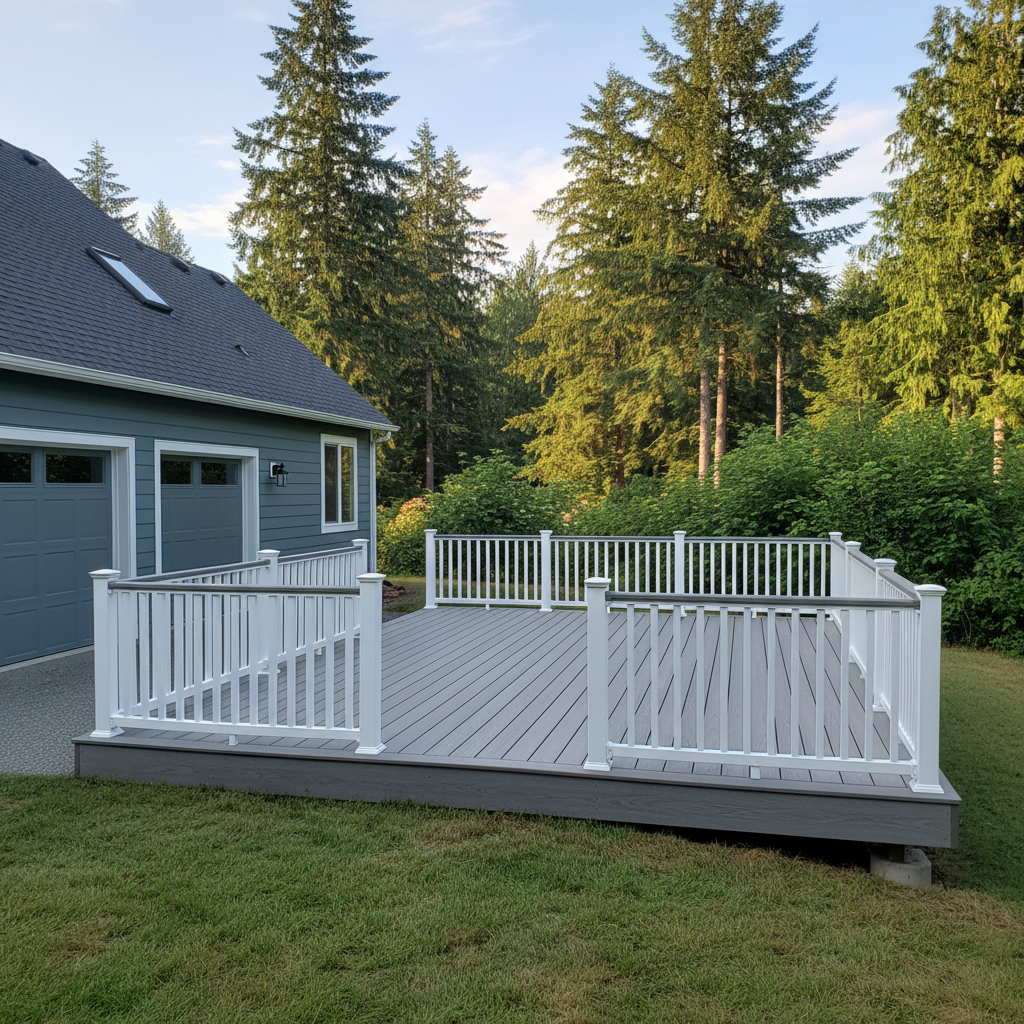
Seattle is a hard place to build a deck well and an easy place to build one badly. The rain does most of the damage over time, not the first winter but the fifth or sixth, after water's been getting into a joint it shouldn't for years. A deck builder who knows that will talk to you differently than one who's just trying to get a crew on your property by Friday.
Ask about the permit before you ask about the price
In Seattle, a deck attached to the house, or one more than 30 inches above grade, generally needs a permit through the Seattle Department of Construction and Inspections. Outside the city, in places like Shoreline, Bellevue, or unincorporated King County, the rules shift slightly but the pattern holds: attached, elevated, or structural work gets inspected. A contractor who tells you permits are a waste of time, or that they can "keep it under the radar," is telling you they don't want an inspector looking at their framing. That should bother you more than the few weeks a permit adds to the schedule.
Most jurisdictions here inspect at two points minimum: after the footings are dug and the posts are set, before you pour or backfill, and again at final, after railings and stairs are in. If a builder's timeline doesn't leave room for those inspections, the timeline is wrong.
The ledger board is where decks fail first
If the deck attaches to the house, the ledger board bolted to the rim joist is the single most important connection on the whole structure, and it's the one most often done wrong. It needs through-bolts, not just lag screws, spaced correctly, and it needs flashing that actually sheds water away from the house wall, usually a metal Z-flashing over a self-adhered membrane. Skip that flashing and water tracks behind the ledger for years, soaking the rim joist from the inside where nobody sees it until the deck starts to feel spongy near the house or a railing post wiggles.
This is where Seattle's climate actually matters. We don't get the deep freeze-thaw cycling of the Midwest, but we get something arguably worse for wood: eight months a year of damp, mild weather that never quite dries anything out. October through April, a lot of decks here sit wet more than they sit dry. A good builder treats every fastener and every joint with that in mind. Ask what they use for joist hangers, because standard galvanized hardware corrodes faster against modern ACQ-treated lumber, which is more corrosive than the old CCA treatment. You want stainless or hot-dip galvanized rated for contact with treated wood, not whatever was cheapest at the box store.
What's actually in the ground here
Seattle soil varies block to block because of how the glaciers left it. A lot of yards sit on dense glacial till, which is good bearing soil once you're past the topsoil, but some lots, especially filled or regraded ones near wetlands or old creek beds, have soft or expansive clay that shifts seasonally. A footing that just sits on compacted fill instead of undisturbed native soil will settle, and a settled footing shows up a year or two later as a deck that's gone slightly out of level, doors that stick, railings that lean. Ask how deep the footings go and whether they're bearing on undisturbed soil. On most residential decks here that's 12 to 18 inches, but it depends on the soil report and the local frost depth requirement, which your builder should actually know rather than guess at.
Drainage matters just as much as bearing capacity. If your lot slopes toward the house, or your yard already holds standing water after a hard December rain, that water needs somewhere to go that isn't pooling around new posts. A builder who walks your yard before quoting, and asks where the downspouts drain, is paying attention to something that actually affects whether the deck lasts.
Signs to walk away from
- A quote given over the phone or from a photo, with no one setting foot on the property.
- No mention of permits, ever, unless you bring it up first.
- Pressure to pay the full amount upfront. A deposit is normal. The whole job, before a single post is set, is not.
- No written contract with a materials list, a payment schedule, and a timeline.
- Can't tell you what grade of lumber or which composite brand they're pricing. "Treated wood" and "composite" aren't specific enough to compare two bids against each other.
- No proof of licensing or liability insurance when you ask. This isn't optional in Washington for a contractor doing structural work on your home.
None of these alone is fatal, but two or three together usually means you're looking at a crew that's going to be hard to reach once something goes wrong.
Cedar, treated fir, or composite
Western red cedar is the classic choice around here for a reason, it holds up to the wet climate naturally and it's a regional product, but it needs restaining every two to three years or it grays out and starts to check. Pressure-treated fir or hem-fir framing underneath is standard and fine as long as the connectors match it. Composite decking has gotten popular in Seattle specifically because it doesn't rot, doesn't need staining, and shrugs off the eight wet months without much complaint, though it costs more upfront and some cheaper composites can get slick with moss in shady, north-facing yards, which describes a fair number of lots in this city. None of these materials is wrong. What's wrong is a builder who pushes one without asking about your yard's sun exposure, your budget for upkeep, or how long you plan to own the house.
A deck here isn't a weekend project, even a simple ground-level one, once you factor in survey checks for setbacks, a permit review, and the actual framing and finish work. Ask any builder you're considering to walk you through their process on footings, flashing, and permits specifically. The answers will tell you more than the quote will. If you want to see how we handle those details on an actual job, Blackstone Deck Co has more on our approach.